A heat pump water heater (HPWH) uses the same proven technology as a heat pump HVAC system, but instead of heating your home, it heats your water. The unit pulls heat from the surrounding air using a compressor and refrigerant cycle, then transfers that heat into a storage tank of water.
Think of it as a refrigerator running in reverse. While a refrigerator extracts heat from inside the box and releases it into your kitchen, a heat pump water heater extracts heat from the ambient air and concentrates it into your hot water tank. Because the system moves existing heat rather than generating it from scratch, it uses dramatically less electricity than a conventional electric water heater.
Most heat pump water heaters include a built-in electric resistance backup element for periods of extremely high demand, ensuring you never run out of hot water. In normal operation, the heat pump handles the vast majority of the workload, keeping efficiency high and energy bills low.
Discover why heat pump water heaters are the smartest upgrade you can make for your home's hot water system.
Heat pump water heaters are 2 to 3 times more efficient than conventional electric water heaters. The average household saves $300 to $550 per year on water heating costs. Over the 13-year average lifespan of a HPWH, that adds up to $3,900 to $7,150 in total savings — more than enough to offset the higher upfront cost.
Water heating accounts for approximately 18-20% of the average home's energy use — the second largest energy expense after heating and cooling. By cutting water heating energy use by up to 65%, a HPWH delivers immediate, noticeable monthly savings on your electric bill from the very first month.
Heat pump water heaters qualify for significant financial incentives. The federal 25C tax credit covers 30% of equipment and installation costs (up to $2,000). California and Bay Area utilities offer additional rebates of $500 to $1,000 or more. These incentives can reduce your net cost to comparable or less than a conventional water heater.
By using 65% less electricity, a HPWH significantly reduces the greenhouse gas emissions associated with your hot water use. When powered by renewable electricity (increasingly common on California's grid), the environmental benefit is even greater. Switching to a HPWH is one of the highest-impact electrification upgrades a homeowner can make.
As a byproduct of extracting heat from the air, HPWHs dehumidify and slightly cool the space around them. In a garage or utility room, this bonus cooling and dehumidification is a welcome side effect, especially during Bay Area summers. It's like getting a small air conditioner for free.
Modern HPWHs include Wi-Fi connectivity, allowing you to monitor energy usage, adjust temperature settings, set vacation mode, and receive maintenance alerts from your smartphone. Some models integrate with smart home platforms and can be programmed to heat water during off-peak electricity hours for additional savings.
See how heat pump water heaters compare to conventional electric and gas tank water heaters.
| Feature | Heat Pump Water Heater | Conventional Electric Tank | Gas Tank Water Heater | Tankless Gas |
|---|---|---|---|---|
| Energy Factor (UEF) | 3.0 – 4.0 | 0.90 – 0.95 | 0.58 – 0.70 | 0.87 – 0.97 |
| Annual Operating Cost* | $150 – $250 | $400 – $550 | $250 – $400 | $200 – $350 |
| Annual Energy Savings | Up to 65% vs. electric | Baseline | N/A | N/A |
| Equipment Cost | $1,500 – $3,000 | $400 – $900 | $500 – $1,200 | $1,000 – $2,500 |
| Rebates & Credits | Up to $2,000 federal + state/utility | None | None | Limited |
| Lifespan | 13 – 15 years | 8 – 12 years | 8 – 12 years | 15 – 20 years |
| Emissions | Zero direct emissions | Zero direct emissions | CO, CO2, NOx | CO, CO2, NOx |
| Venting Required | No | No | Yes | Yes |
| Smart Controls | Yes (Wi-Fi standard) | Rarely | Rarely | Some models |
| Bonus Cooling/Dehumid. | Yes | No | No | No |
*Annual operating costs are estimates based on average Bay Area utility rates and typical household hot water usage of 64 gallons per day.
We install and recommend leading heat pump water heater brands that deliver outstanding efficiency, reliability, and value.
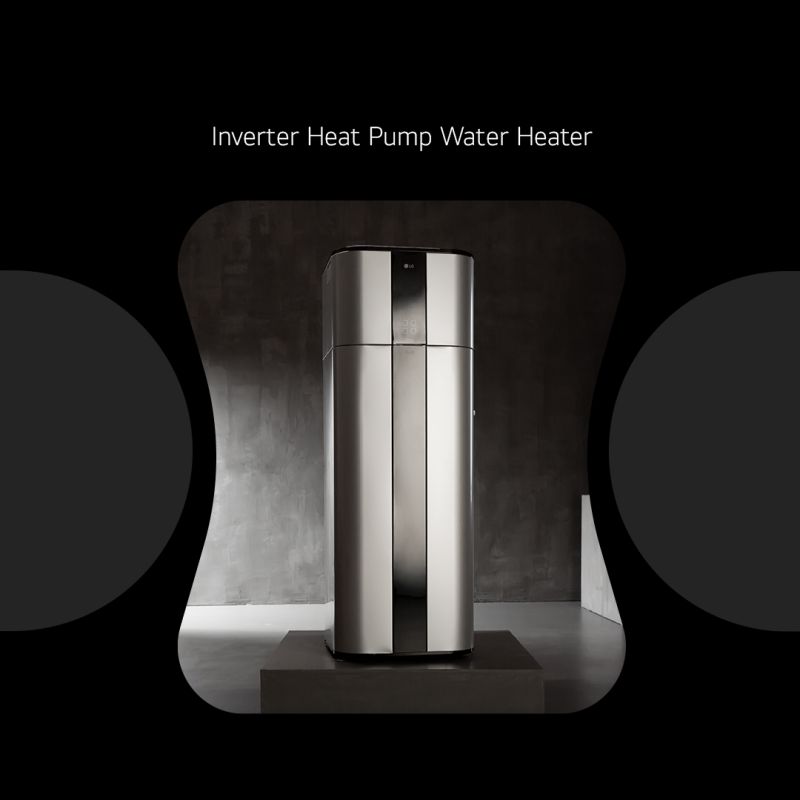
LG brings its industry-leading heat pump technology to domestic hot water with a high-performance heat pump water heater designed for maximum efficiency and smart home integration. The LG HPWH features an impressive Uniform Energy Factor (UEF) of up to 4.0, making it one of the most efficient units on the market.
Built with LG's advanced inverter compressor technology, the unit operates quietly and adjusts its output to match demand, reducing energy waste. Wi-Fi connectivity comes standard, allowing homeowners to monitor and control the unit through the LG ThinQ app — adjusting temperatures, switching modes, and tracking energy usage from anywhere.
Key highlights of the LG heat pump water heater include:
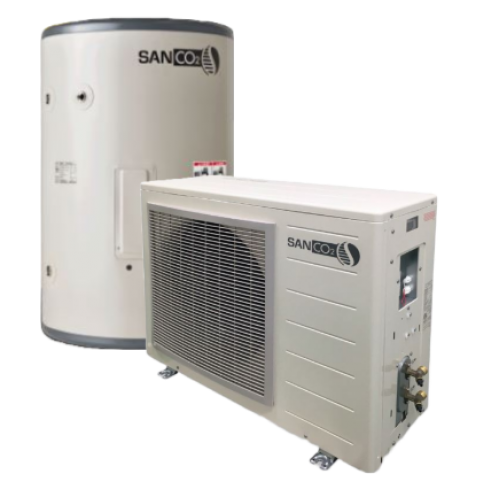
The Sanco2 by SANDEN is a split-system CO2 heat pump water heater that stands apart from conventional integrated units. It uses CO2 (R-744) as its refrigerant — a natural, non-toxic substance with zero ozone depletion potential and a global warming potential of just 1, making it one of the most environmentally friendly water heating solutions available.
Unlike traditional heat pump water heaters that require indoor installation with adequate airspace, the Sanco2's split design places the compressor unit outside and the stainless steel storage tank inside. This gives homeowners far more flexibility in placement, and the outdoor compressor operates effectively in temperatures as low as -15°F, making it suitable for virtually any climate.
Key highlights of the Sanco2 system include:
While heat pump water heaters are an excellent upgrade for most homes, there are several important factors to consider before installation.
HPWHs need adequate air space around them to draw heat from. Most manufacturers recommend a minimum of 700-1,000 cubic feet of surrounding air space (roughly a 10' x 10' room with an 8' ceiling). Garages, basements, utility rooms, and large closets are all suitable locations. The unit itself is similar in size to a conventional tank water heater, typically about 2 feet in diameter and 5-6 feet tall.
Heat pump water heaters require a 240-volt, 30-amp dedicated electrical circuit. If you're replacing a gas water heater, new electrical wiring will need to be run to the installation location. If you're replacing an existing electric tank water heater, the existing circuit is typically sufficient.
HPWHs perform best in spaces that remain between 40°F and 90°F year-round. In the Bay Area's mild climate, garages and interior utility rooms are excellent locations. The unit will slightly cool the surrounding space (by about 2-3 degrees), which is actually a benefit in warm areas but should be considered if the unit is located in a conditioned living space.
Because HPWHs dehumidify the surrounding air, they produce condensate (water) that must be drained. A nearby floor drain, condensate pump, or gravity drain line is required. This is similar to the drain requirement for air conditioners and is usually straightforward to accommodate.
When the compressor is running, a HPWH produces about 45-55 dB of sound — comparable to a modern dishwasher. This is not a concern when the unit is in a garage or basement, but it should be considered if installation is adjacent to bedrooms or quiet living spaces.
In heat pump mode, HPWHs heat water more slowly than electric resistance or gas units. However, the large storage tank (typically 50-80 gallons) compensates for this, and hybrid mode activates the electric element during periods of high demand. For most households, a properly sized HPWH provides more than enough hot water for daily needs.
Take advantage of generous financial incentives that make heat pump water heaters more affordable than ever.
The Inflation Reduction Act provides a 30% tax credit on the cost of qualified heat pump water heaters, including equipment and installation labor, up to a maximum of $2,000 per year. This credit applies to your federal income tax and can be claimed in the year of installation.
California offers additional rebates through the Self-Generation Incentive Program (SGIP) and various statewide initiatives. The TECH Clean California program provides incentives specifically for switching from gas to electric water heating.
Bay Area utility providers including PG&E and San Jose Clean Energy offer rebates for qualifying heat pump water heater installations. These rebates can be combined with federal and state incentives for maximum savings.
Allison Air Comfort Solutions provides complete, turnkey heat pump water heater installation, handling everything from initial assessment to final commissioning.
We evaluate your home's hot water usage, available installation space, electrical service, and drainage options to recommend the right unit size and model. We'll also identify all rebates and incentives you qualify for.
We safely disconnect and remove your existing water heater, including proper disposal or recycling. If you're switching from gas, we cap the gas line per code requirements.
If needed, we coordinate with a licensed electrician to install the required 240V/30A dedicated circuit. For electric-to-electric replacements, the existing wiring is typically adequate.
We install the new HPWH, connect all plumbing lines, set up the condensate drain, and make all electrical connections. We ensure proper clearances around the unit for optimal airflow and performance.
We fill the tank, check for leaks, test all operating modes, configure Wi-Fi connectivity, and optimize settings for your household's usage patterns. We walk you through the controls and answer all your questions.